


Plane Ownership Pros and Cons
Are you thinking about buying your own airplane? Maybe you have your pilot’s license and dream of hassle-free long-distance travel or the unique joy of seeing the world from above. While renting is an option, it can be frustrating not knowing how others have treated the aircraft. The idea of skipping airport lines and flying on your own schedule is appealing — but aircraft ownership also comes with real responsibilities and costs. Here’s a look at the pros and cons of buying an airplane, so you can decide if it’s right for you.
The Pros of Buying a Plane
Owning an aircraft offers unique advantages that go far beyond what commercial airlines can offer. From convenience and flexibility to unforgettable experiences, here are some of the top reasons pilots and aviation enthusiasts choose to buy their own plane.
Skipping Airport Security
One of the most appealing benefits of owning a plane is the ability to bypass the frustrations of commercial airport security. You don’t have to arrive hours early, wait in long TSA lines, remove your shoes, or worry about strict baggage limits. Instead, you can drive right up to your hangar or tie-down, load your luggage and gear directly into your aircraft, and depart on your own schedule.
This level of convenience is especially valuable for families, business travelers, or anyone who wants to avoid crowded terminals and enjoy a more relaxed, private travel experience from start to finish.
Enjoying Unmatched Scenery
Flying your own plane gives you a front-row seat to breathtaking views that most people never experience. At lower altitudes, you can truly appreciate the beauty of landscapes — soaring over mountains, lakes, forests, and coastlines, or spotting landmarks and hidden gems from above.
Every flight offers a new perspective, whether you’re following a familiar route or exploring somewhere new. You can even plan trips around scenic destinations, making the journey as memorable as the arrival. For many pilots, the ability to see the world from this unique vantage point is one of the greatest joys of aircraft ownership.
Saving Valuable Time
Owning a plane can dramatically reduce your travel time, especially for frequent flyers or business travelers. You can skip the hassle of arriving hours early, waiting in long security lines, and dealing with layovers or flight delays. Instead, you set your own schedule, fly direct to your destination, and can often land at smaller airports closer to where you need to be.
This flexibility means you spend less time waiting and more time being productive or enjoying your trip. For those who value efficiency, the time savings of private flying can be a major advantage over commercial airlines.
The Cons of Buying a Plane
While owning an aircraft offers unique benefits, it also comes with significant challenges and responsibilities. Before making the investment, it’s important to understand the potential drawbacks that come with plane ownership.
Managing High Costs of Ownership
The cost of buying an airplane goes far beyond the initial purchase price. Owners are responsible for ongoing aircraft ownership costs such as financing, maintenance, annual inspections, storage, and fuel. There are also hidden costs to consider, including:
- Insurance premiums
- Hangar or tie-down fees
- Avionics upgrades
- Taxes
- Regular training
- Navigation data subscriptions
- Unexpected repairs
For most people, the total cost of ownership can reach thousands of dollars per year, making it a significant financial commitment. Unless you fly frequently, commercial travel is usually much more affordable.
Handling Complex Maintenance and Regulations
Owning an airplane means taking on a high level of responsibility for both safety and compliance. Aircraft require strict, regular maintenance and must meet rigorous FAA regulations, including annual inspections and adherence to airworthiness directives. Unlike a car, you can’t afford to ignore small issues — there’s no roadside shoulder to pull over on if you have mechanical problems in flight.
Staying current as a pilot also means receiving ongoing training, getting regular medical exams, and staying up-to-date with changing regulations. Additionally, managing maintenance schedules, record-keeping, and unexpected repairs can be time-consuming and stressful, especially for first-time owners. The complexity of aircraft ownership is a major factor to consider before buying.
Facing Significant Liability Risks
With aircraft ownership comes significant legal and financial risk. If an accident occurs — whether due to pilot error, mechanical failure, or unforeseen circumstances — you could be held responsible for injuries or property damage. Protecting your financial assets and even your way of life will require good pilot liability insurance that provides coverage for:
- Bodily injury to passengers or people on the ground.
- Property damage to other aircraft, vehicles, or structures.
- Legal defense costs if you are sued as a result of an accident, including attorney fees and court expenses.
Most airports and lenders require proof of insurance before you can operate or finance an aircraft. Having the right pilot liability insurance helps protect both your personal and business assets from potentially devastating lawsuits. Working with an aviation insurance expert can help you find a policy that fits your needs and budget.
For more information about the liability and insurance aspects of flying, contact XINSURANCE.
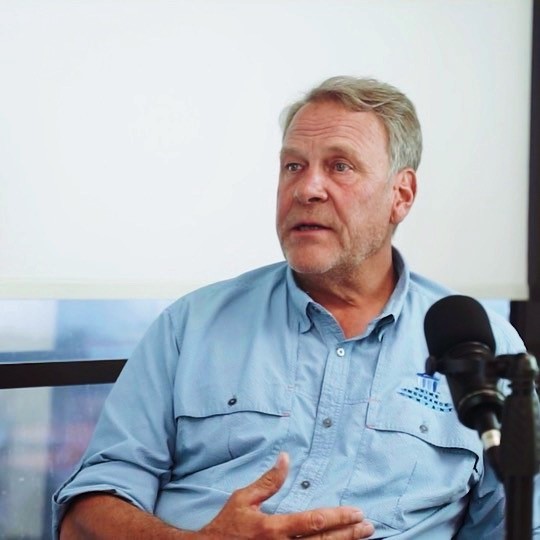 Authored by Rick J. Lindsey, President, Chairman, and CEO of XINSURANCE
Rick J. Lindsey hails from Salt Lake City, Utah. He began working in the mailroom of his father’s Salt Lake City insurance firm, getting his introduction to the business that became his lifelong career. Rick J. Lindsey quickly rose through the ranks while working in nearly every imaginable insurance industry job. As an entrepreneur, specialty lines underwriter, claims specialist, risk manager, and a licensed surplus lines broker, Rick J. Lindsey is highly skilled in all levels of leadership and execution. As he progressed on his career path, Rick J. Lindsey discovered an urgent need for insurers willing to write policies for high-risk individuals and businesses. He was frequently frustrated that he could not provide the liability protection these entities desperately needed to safeguard their assets. He also formed the belief that insurance companies acted too quickly to settle frivolous claims. Rick J. Lindsey decided to try a different approach. He started an insurance company and became the newly formed entity’s CEO. This opportunity has enabled Rick J. Lindsey to fill a void in the market and provide a valuable service to businesses, individuals, and insurance agents who write high-risk business. XINSURANCE also specializes in helping individuals and businesses who live a lifestyle or participate in activities that make them difficult for traditional carriers to insure. If you’ve been denied, non-renewed, or canceled coverage, don’t give up quite yet. Chances are XINSURANCE can help.